What do Power Lists say about who really has power?
Posted: June 9, 2014 Filed under: Blogging, London, Social housing, Social media, Wales, Welfare reform | Tags: social media 7 CommentsLove them or hate them but it’s hard to ignore them. There are lists for everything from the greatest films to the richest people and the housing world is no exception.
For the second year running, housing has two alternative lists. The Power Players Top 50 was first published by 24 Housing in 2012 and Paul Taylor compiled the Digital Power Players list in 2013. This year the magazine published both: the official list in April and the digital list in the latest (June) issue.
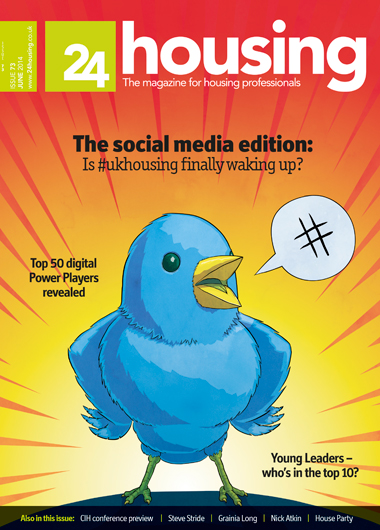

The lists, and the differences between them, got me thinking about power and who has it in housing. Or rather who other people think has it, since the results are inevitably influenced by the way they are compiled.
Adjust your set
Posted: April 30, 2014 Filed under: Homelessness, Housing benefit, London, Television, Welfare reform | Tags: How to Get a Council House Leave a commentIn case you missed it, How to Get a Council House is back – and so is the controversy about TV stereotypes and the hashtag on twitter.
The second series of the Channel 4 show focuses on the London Borough of Tower Hamlets and people affected by the benefit cap (two weeks ago), applying as homeless (last week) and in temporary accommodation (this week).
As with the first series, it’s provoked some strong reactions and it almost feels like we are in two different countries when I look on twitter.
Read the rest of this post on Inside Edge, my blog for Inside Housing
Minding the gap or moving the government?
Posted: March 10, 2014 Filed under: Economics, Housing market, London Leave a commentWhat can be done about the London problem: the growing economic divide between the capital and the rest of the country?
Mind the Gap, a two-part BBC documentary by Evan Davis, looked at the causes and consequences of the growing divide between London and the rest of the country. He argues that powerful economic forces are polarising Britain: in theory technology should mean we can work from anywhere but in practice the economics of agglomeration mean that businesses look to cluster together and secure the benefits go with being close to each other.
However, for all those positive effects there are negative externalities too: the pressures on transport infrastructure, the environment and perhaps above all housing. Not so slowly, but surely, Londoners are being priced out of their own city. Much of this was summed up by in part one of the programme by film first of The Shard and then, just a few miles, the derelict and the soon-to-be-gentrified Heygate Estate.

 Jules Birch