Housing’s brief appearance in the election spotlight
Posted: June 20, 2024 Filed under: Home ownership, Housebuilding, New towns, Planning, Private renting, Right to buy Leave a commentOriginally written as a column for Inside Housing.
The focus of the election finally turned to housing today (Thursday) but blink and you may have missed it.
The issue described as ‘the dog that hasn’t barked’ by Nick Ferrari on LBC was briefly across the airwaves with housing secretary Michael Gove leading for the Conservatives and shadow housing minister Matthew Pennycook representing Labour in the wake of plans for renter reform launched overnight.
However, an anonymous quote in Politico Playbook did cause some howling, with a Labour official supposedly saying that ‘I don’t care if we flatten the whole green belt, we just need more houses in this country’.
Rishi Sunak took time off from preparing for tonight’s Question Time to tweet that it was ‘good to finally get Labour’s real views on Britain’s green belt’ while Keir Starmer flatly denied the whole thing on a visit to a housing development on the edge of York. ‘No, that wasn’t Labour party officials,’ he said. ‘That wasn’t Labour party policy.’
So what did we learn from election housing day? I dipped into the morning media round in a bid to find out.
Read the rest of this entry »What’s gone wrong with our housing – and what could go right
Posted: April 4, 2023 Filed under: Private renting, Right to buy, Social housing | Tags: Barcelona, Singapore, Vienna Leave a commentAs symbols of failure, take a former council house in south London chopped up into six bedsits, housing association tenants waiting in vain for repairs and private renters searching non-stop for homes
As a symbols of success, take Vienna’s century of genuinely affordable rents, Barcelona’s long-term housing strategy and Singapore’s melding of the market and public ownership.
The Rental Health series stretching across BBC radio and television had all of that and more, from lots of jobs but no homes in the Highlands to the dire state of the rental market in Yorkshire to the mechanics of local housing allowance and Section 21 to people looking for housing alternatives in vans, co-housing and boats.
Those symbols of failure don’t come much starker than the three-bedroom council house on the Bampton estate in Forest Hill featured in the brilliantly appalling BBC Panorama documentary What’s Gone Wrong With Our Housing?
The first tenant moved into the home in 1971, bought it under the right to buy for £15,000 in 1984 and sold it for £85,000 in 1988. It is now owned by a private landlord who has converted it into six bedsits rented out for £960 a month each.
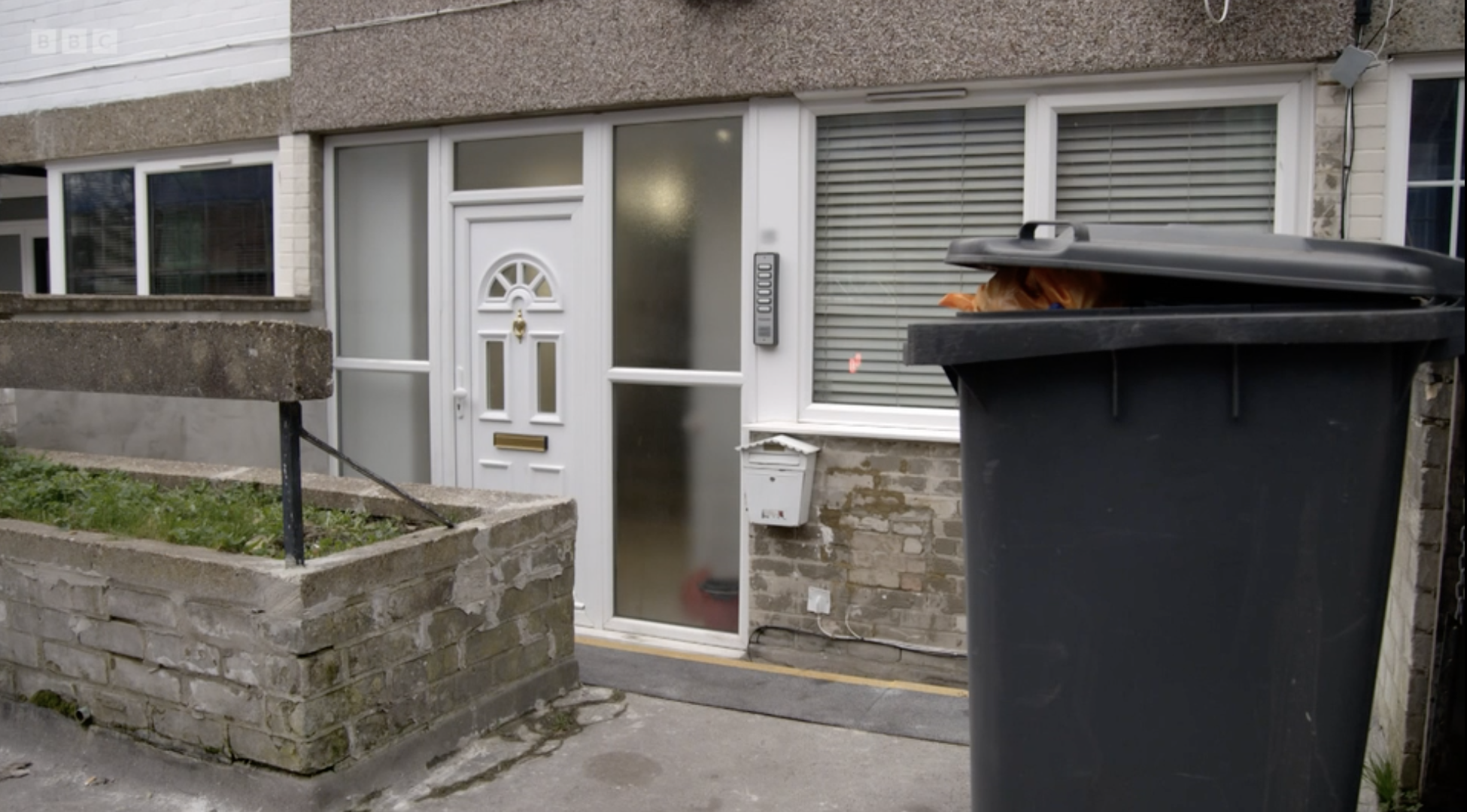
Most of what amounts to £60,000 a year in rent is paid in housing benefit by the government that sold it for a quarter of that.
As if that was not enough to make the point, the same private landlord has done the same thing to three other houses in the same terrace and is pocketing £250,000 a year.
Read the rest of this entry »Reading the Tory leadership tea leaves
Posted: August 22, 2022 Filed under: Housebuilding, Mortgages, Right to buy | Tags: Conservatives Leave a commentOriginally published as a column for Inside Housing.
On the surface the two Tory leadership candidates have had little new to say about housing – when they’ve even bothered to discuss it.
Liz Truss would cut red tape for housebuilding at the same time as she would scrap the ‘Stalinist housing targets’ introduced by her own party and boost community rights to object to homes that create the red tape in the first place.
Sunak would put a stop to building on the green belt, highlighting the 60 square miles lost to development since 2014 while ignoring the 60,000 square miles that are left and the fact the green belt has doubled in size since 2014.
Those contradictory ideas reveal next to nothing beyond a need to appeal to well-housed Tory members but neither candidate has said anything so far about social housing, affordable housing or private renting.
Yet there are issues and ideas bubbling away beneath the surface of the leadership contest that could still have a profound impact on housing.
Read the rest of this entry »Political chaos leaves big housing questions
Posted: July 8, 2022 Filed under: Fire safety, Levelling up, Mortgages, Private renting, Right to buy | Tags: Conservatives, Michael Gove Leave a commentOriginally published as a column for Inside Housing.
So it’s back to the future and all change at the Department for Levelling Up, Housing and Communities (DLUHC) as the dust begins to settle from the political chaos of the last two weeks.
It was a scandal involving one ex-housing minister (Chris Pincher) that triggered the revolt against Boris Johnson. Many Tories want another (Dominic Raab) to take over as temporary prime minister. And two more (Grant Shapps and ex-housing secretary Sajid Javid) could run as candidates for the permanent job.
Over at the department that keeps changing its name, Michael Gove has been sacked as ‘a snake’ and most of the more junior ministers have resigned. Stuart Andrew set a new record for a housing minister with just 148 days in the job and no time even for an Inside Housing interview to be published.
Coming in as temporary secretary of state is the familiar figure of Greg Clark, who according to some reports this morning has told civil servants that Gove will be back soon.
Confused? Significant new policy announcements are by convention ruled out until there is a new permanent leader and cabinet – but this did not stop Theresa May enshrining the net zero by 2050 commitment in law before she left office and Boris Johnson is not noted for following convention.
Read the rest of this entry »Johnson’s lame cover version
Posted: June 10, 2022 Filed under: Home ownership, Housing associations, Housing benefit, Mortgages, Right to buy 1 CommentOriginally published as a column for Inside Housing.
How exactly should we take Boris Johnson’s plans to ‘bring back Right to Buy’ and ‘turn Generation Rent into Generation Own’?
Many housing association tenants will welcome the chance to own their own home and private renters may welcome official recognition that they are stuck paying more in rent than for the mortgage they can’t get.
Equally, most social landlords will feel that they have no choice but to take very seriously a major change for housing associations and what could be yet another threat to council housing.
And anyone with even the vaguest interest in seeing more genuinely affordable homes will greet the latest guff about one for one replacements with a groan.
But it’s also very hard not to be cynical about this latest cover version of Margaret Thatcher’s number one from the 1980s. The suspicion is that this is all about a lame duck prime minister having something catchy to announce regardless of how – or even if – it will work out in practice.
Even so it’s impossible not to wonder about the practicalities of a plan to finance mortgages from housing benefit in the middle of a cost of living crisis, with interest rates about to rise at the peak of a housing market bubble that could be about to burst.
And it’s hard not to contrast Boris Johnson’s tired old rhetoric about social tenants on housing benefit being ‘dependent on the state’ with the plans announced just 24 hours earlier for a Social Housing Regulation Bill that will ‘mean more people living in decent, well looked-after homes enjoying the quality of life they deserve’.
Calling the plan ‘benefits to bricks’ looks like trolling of those who have genuinely attempted to find ways to shift subsidy to new homes.
And all of these reactions are subject to the politics of a wounded prime minister desperate to send the right signals to his party after 41 per cent of his own MPs said they have no confidence in him.
Read the rest of this entry »Two symbolic results in the politics of housing
Posted: May 6, 2022 Filed under: Council housing, Local government, politics, Right to buy | Tags: Wandsworth, Westminster Leave a commentOriginally published as a column for Inside Housing.
The overall results may be more mixed but the Conservative loss of its flagship councils Wandsworth and Westminster could hardly be more symbolic in terms of the politics of housing.
Westminster has been Conservative-controlled since its creation in 1964 while Wandsworth has been run by the Tories since 1978.
Both were retained by the party at the height of Mrs Thatcher’s unpopularity in 1990 and throughout the Blair and Brown Labour governments between 1997 and 2010 but not anymore.
Together with Barnet, which also went Labour for the first time, they represent a sea change in politics in London, as former housing minister Lord Barwell noted in a tweet this morning:
That gives some idea of the resonance of the results for the Conservatives, but Wandsworth and Westminster are possibly even more significant in the history of the politics of housing.
Read the rest of this entry »An encore all over again for Right to Buy
Posted: May 3, 2022 Filed under: Housing associations, Housing benefit, Right to buy Leave a commentOriginally written as a column for Inside Housing.
It is the idea that is so superficially attractive that Conservatives cannot help forgetting all the other times it proved to be hopelessly impractical.
In a story helpfully briefed to the Telegraph a few days before the local elections, Boris Johnson is planning to ‘bring back Right to Buy’.
The prime minister has reportedly ordered officials to draw up plans to give the Right to Buy to housing association tenants ‘in a major shake-up inspired by Margaret Thatcher’.
Coming just over a week after levelling up secretary Michael Gove appealed to ‘Thatcher worshipping’ Tories to want more homes for social rent, the timing does not look like a total coincidence.
Read the rest of this entry » Jules Birch