Wales consults on right to housing and fair rents
Posted: June 8, 2023 Filed under: Private renting, Rent control, Wales Leave a commentOriginally written as a column for Inside Housing.
The right to housing. Rent regulation. Two of the most prominent big ideas for fixing the housing system have just gone out for consultation in Wales.
There is still a long way to go after publication of what amounts to the lightest of green papers and there is a big difference between proposing something and implementing it. However, taken together they represent a big challenge to current orthodoxy.
The green paper on housing adequacy and fair rents is the result of the cooperation agreement between Welsh Labour and Plaid Cymru. A white paper will follow but this is more of a call for evidence than a definite commitment to action or legislation.
The right to adequate housing is part of a United Nations covenant on economic, social and cultural rights that the UK signed up to almost 50 years ago. However, turning a vague aspiration to ‘housing as a human right’ into something more meaningful means incorporating it into national law, a move with strong support in the housing sector in Wales.
At the same time, as in the rest of the UK, support has been growing on the left and among private renters for some form of rent regulation.
Read the rest of this entry »The long wait for meaningful reform of leasehold
Posted: May 29, 2023 Filed under: Leasehold, Legal | Tags: Michael Gove Leave a commentOriginally written as a column for Inside Housing.
Churchill was in no doubt that leasehold needs fundamental reform.
‘Who was more likely to be a contented citizen, the man who was a freeholder and who was in his property, or the man who was at the mercy of a colossal landowner?’ he asked in a Commons debate.
It says everything about the snail’s pace of progress on leasehold reform that the speaker was not Winston Churchill, the wartime leader and Conservative prime minister in the 1950s, nor even the more youthful Winston Churchill who was a radical land reformer as a Liberal MP in the 1910s.
Instead it was his father, Randolph Churchill, backing one of the first meaningful attempts at leasehold reform way back in 1884. Needless to say, the leasehold enfranchisement bill was blocked by a Conservative government full of property owners.
Flash forward 139 years and the same argument applies to almost five million leaseholders in England and Wales, the only two countries in the world that have still not abolished or radically reformed an archaic system that dates back to the Domesday Book.
Read the rest of this entry »Modern methods, same old problems
Posted: May 10, 2023 Filed under: Modern Methods of Construction | Tags: Legal & General Comments Off on Modern methods, same old problems
Subscribe to continue reading
Subscribe to get access to the rest of this post and other subscriber-only content.
The parties start to set out their general election stall
Posted: May 4, 2023 Filed under: Help to Buy, Home ownership, Housebuilding, Planning Leave a commentOriginally written as a column for Inside Housing.
If this week was a preview of what the main parties will be offering on housing at the next general election then it is probably best to look away now.
Perhaps the best that can be said is that, just as Thursday’s local elections only offer clues as to the outcome of next year’s big event, so the policies announced in the run-up to them may only be a taster of what’s still to come.
But that is being optimistic: otherwise we got some standard tropes from Labour about
home ownership and signals that the Conservatives could be about to reach back into their collection of greatest misses.
In a series of interviews on Sunday, Keir Starmer set out his ambition for Labour to be ‘the party of home ownership’:
This standard appeal to aspirational voters begs some obvious questions about how and what else.
Restoring targets for housebuilding recently scrapped by the Conservatives would be a good start and would come alongside existing Labour policies of ‘first dibs’ for local first-time buyers and a block on overseas buyers.
But whether that will be enough to generate 300,000 new homes a year (the targets hadn’t done that before they were scrapped) and whether even that will make homes more affordable must both be doubtful.
The following day (coincidence?) The Times reported that Rishi Sunak is putting Help to Buy ‘back on the table’ as a key plank in the campaign for a potential Conservative fifth term.
Government sources told the paper that the move could come in the Autumn Statement or the Spring Budget. ‘We cannot go into the next election without an offer for first-time buyers,’ said a minister. ‘We all know that homeowners are more likely to vote Conservative and we cannot cede this ground to Labour.’
Read the rest of this entry »What’s gone wrong with our housing – and what could go right
Posted: April 4, 2023 Filed under: Private renting, Right to buy, Social housing | Tags: Barcelona, Singapore, Vienna Leave a commentAs symbols of failure, take a former council house in south London chopped up into six bedsits, housing association tenants waiting in vain for repairs and private renters searching non-stop for homes
As a symbols of success, take Vienna’s century of genuinely affordable rents, Barcelona’s long-term housing strategy and Singapore’s melding of the market and public ownership.
The Rental Health series stretching across BBC radio and television had all of that and more, from lots of jobs but no homes in the Highlands to the dire state of the rental market in Yorkshire to the mechanics of local housing allowance and Section 21 to people looking for housing alternatives in vans, co-housing and boats.
Those symbols of failure don’t come much starker than the three-bedroom council house on the Bampton estate in Forest Hill featured in the brilliantly appalling BBC Panorama documentary What’s Gone Wrong With Our Housing?
The first tenant moved into the home in 1971, bought it under the right to buy for £15,000 in 1984 and sold it for £85,000 in 1988. It is now owned by a private landlord who has converted it into six bedsits rented out for £960 a month each.
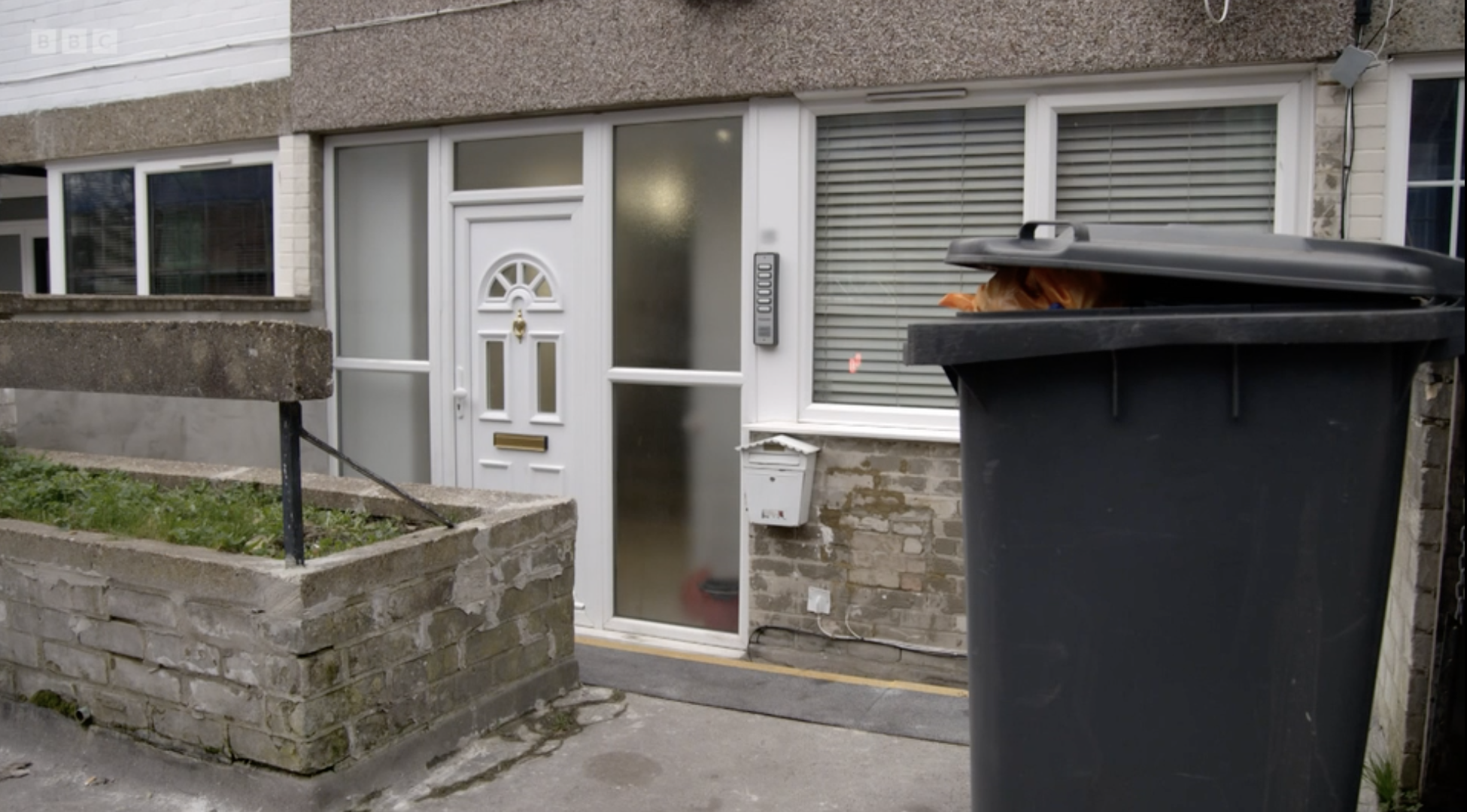
Most of what amounts to £60,000 a year in rent is paid in housing benefit by the government that sold it for a quarter of that.
As if that was not enough to make the point, the same private landlord has done the same thing to three other houses in the same terrace and is pocketing £250,000 a year.
Read the rest of this entry »State of the housing nation
Posted: March 28, 2023 Filed under: Affordable housing, Bed and breakfast, Local housing allowance, Social housing | Tags: UK Housing Review Leave a commentOriginally written as a column for Inside Housing.
So where next? The publication of the UK Housing Review this week is a chance to take stock and ask where the housing system may be heading.
The sense is one of considerable flux, for home ownership as the housing market downturn continues, for private renting as the momentum behind increased regulation grows and for social housing as landlords face competing demands for scarce resources.
The paralysis of policy signalled by a Budget that mostly ignored housing could be just a temporary lull ahead of a UK general election.
As ever, the review puts all that into context. For starters, John Perry’s chapter on housing expenditure shows where total government support (in grants, loans and guarantees) for housing is going. The balance between the private market (59 per cent) and affordable housing (41 per cent) may not be quite as skewed as it was in the heyday of Help to Buy but it is still tilted in one direction.
The good news is that public spending on affordable homes has risen in real terms since the dark days of the coalition government. Investment under three Affordable Homes Programmes is set to peak this year – but the looming cliff edge is an indication of the big decisions that lie ahead:

Current spending plans (as in the Budget) rely on eye-watering (and unrealistic) austerity after the next election so that they comply with the chancellor’s fiscal rules. Key decisions lie ahead in the spending review after the next election regardless of who wins.
What is getting built is also skewed. There were 59,175 affordable housing completions in England in 2021/22, the highest for 11 years. However, more than 20,000 of those were for affordable home ownership and 28,000 for affordable rent, leaving just 7,528 for social rent (plus another 3,080 for similar London Affordable Rent).
Contrast that with Scotland, which managed 9,757 affordable completions in 2021/22 including almost as many social rent homes (7,306) despite having a population about a tenth of England’s.
Read the rest of this entry »Budget leaves housing frozen out
Posted: March 15, 2023 Filed under: Budget, Devolution, Energy efficiency, Local housing allowance Leave a commentOriginally written as a column for Inside Housing.
In a Budget where everything had to begin with E there was little hope for housing.
Neither Rishi Sunak’s economic priorities nor Jeremy Hunt’s e-list (enterprise, employment, education and everywhere) left much room for an issue on which the Conservatives appear to have given up.
On energy, there was good news for tenants on pre-payment meters and for everyone with the extension of the price guarantee.
However, there was no more support for a policy that would do more than anything else to reduce dependence on unreliable overseas energy supplies and Vladimir Putin.
Investment in the decarbonisation of existing homes would cut energy demand at the same time as it cut carbon emissions and bills for tenants and home owners and delivered on the government’s new priority of energy security.
Energy efficiency even begins with the right letters but that either counts as a double negative or was quietly forgotten.
Read the rest of this entry »
